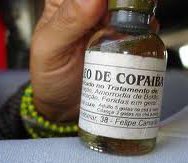
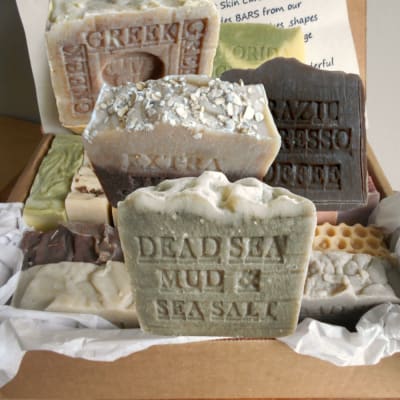
We use Copaiba from - The Amazon Rainforest Brazil .
Why use copaiba oil in soap?
Copaiba oil is valued in body care products for helping calm irritated skin, support wound healing, and provide gentle, natural cleansing.
In handcrafted soaps, it is often included to help with concerns like acne, eczema, and dry or sensitive skin while keeping the bar mild enough for daily use.
How is your copaiba oil sourced?
Copaiba oil is traditionally obtained by carefully tapping the trunk of mature rainforest trees, allowing the oleoresin to flow without cutting the tree down.
Many Brazilian producers work in small-scale forest communities, helping support sustainable livelihoods and encouraging conservation of native rainforest areas.
What skin types can use copaiba soap?
Copaiba soaps are generally suitable for most skin types, including oily, combination, and sensitive skin, because the oil is naturally gentle and non-drying.
Formulas that pair copaiba with nourishing oils and butters, such as olive, coconut, shea, or acai butter, can help maintain moisture while cleansing.
What are the main benefits for the skin?
Traditional and early scientific reports associate copaiba oil with anti-inflammatory, antiseptic, and healing actions that may support irritated or problem skin.
It is commonly used in soaps, creams, and shampoos aimed at calming redness, supporting blemish-prone skin, and promoting smoother, healthier-looking skin.
Does copaiba oil have a scent?
Copaiba typically has a mild, sweet, woody, and slightly balsamic aroma that blends well with other essential oils in natural soaps.
Its gentle scent makes it a good choice for customers who prefer a subtle, earthy bar rather than a strong perfume-like fragrance.